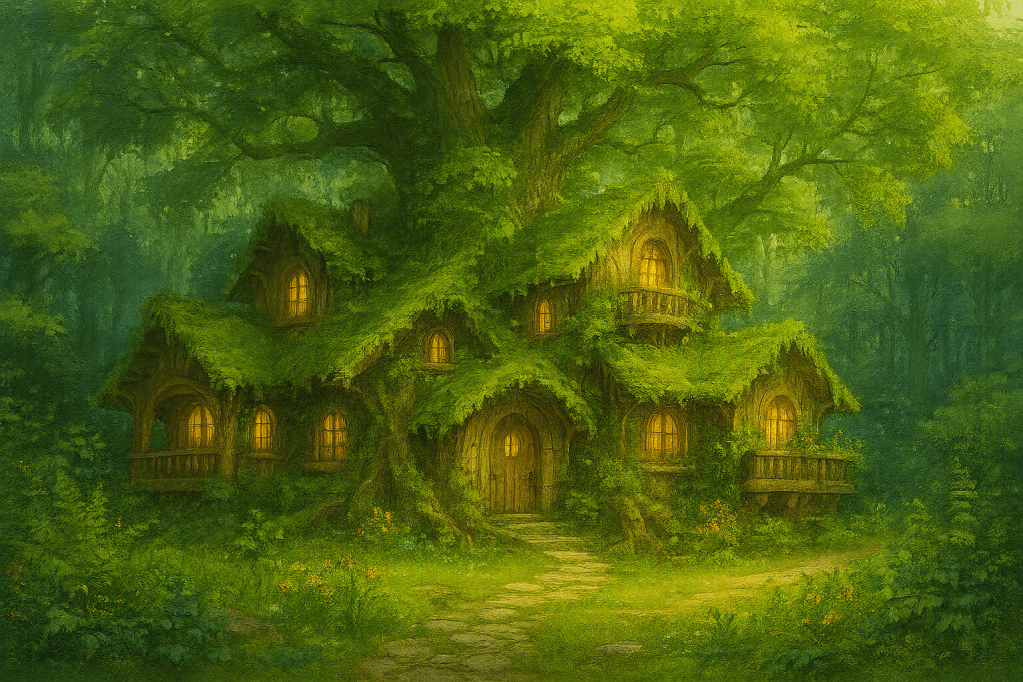
Last Sunday, something sacred unfolded—not as a grand ritual, but as a simple act of returning home.
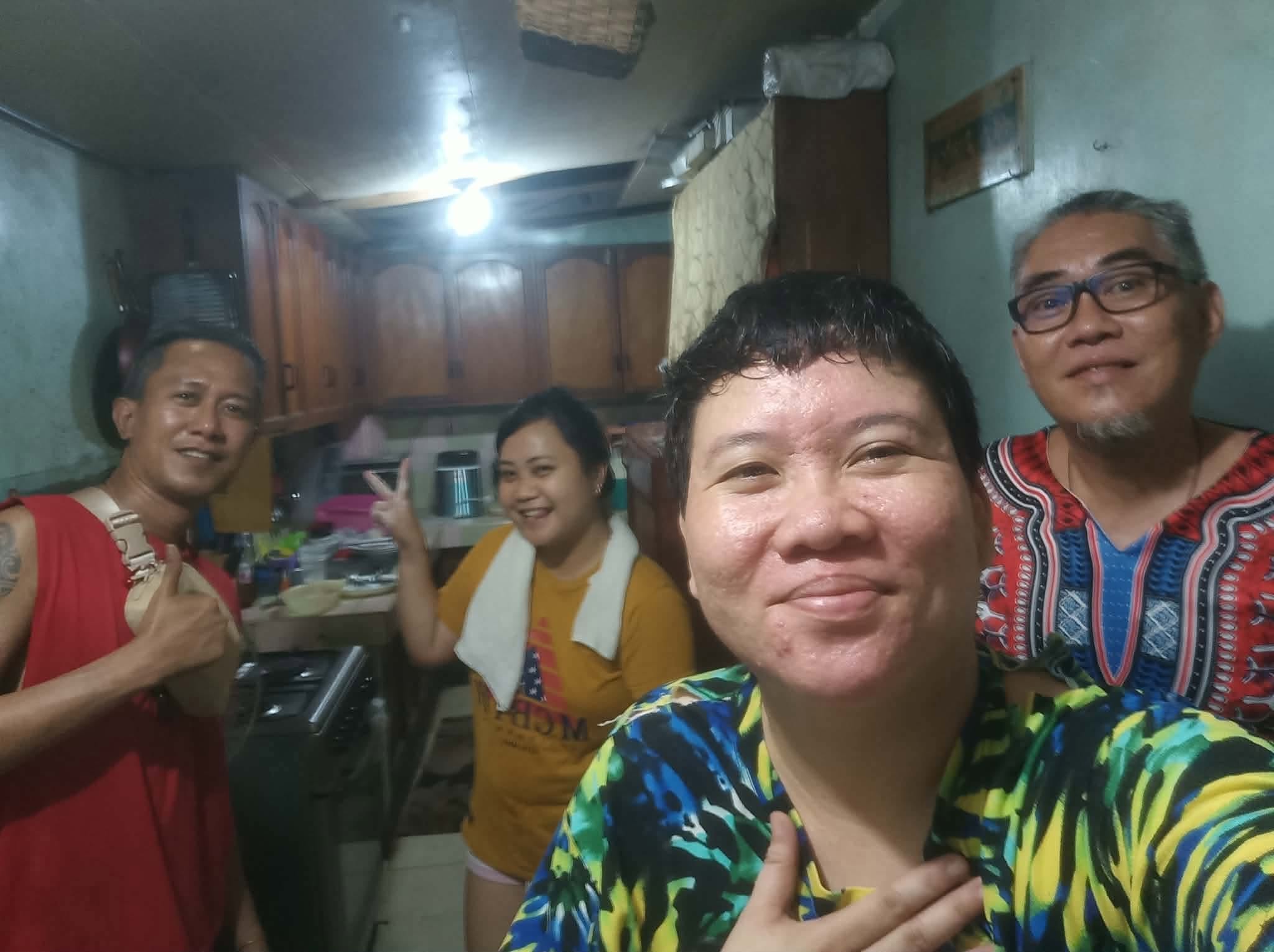
It began with an invitation. My sister, surprised by my response, did not expect that I would be the one to go back instead of asking them to come to me. Yet something within me said yes. We arrived early, before noon, bringing fruits—banana and pineapple—as an offering to the table and to the shared life of family.
Lunch was humble yet deeply nourishing. Jesica prepared sinanglaw, a traditional Ilocano dish, rich not only in flavor but in memory, identity, and ancestral continuity. Every spoonful carried something older than us—something inherited.
And then, something shifted.
After the meal, I asked Lakay to take a photograph of our ancestral house.
Standing there, looking at the structure that once held the fullness of our family, I felt something break open within me. Tears came—not from sorrow alone, but from remembrance. That house was not just built of wood, cement, and time. It was built by my mother and father—their labor, their sacrifices, their dreams.
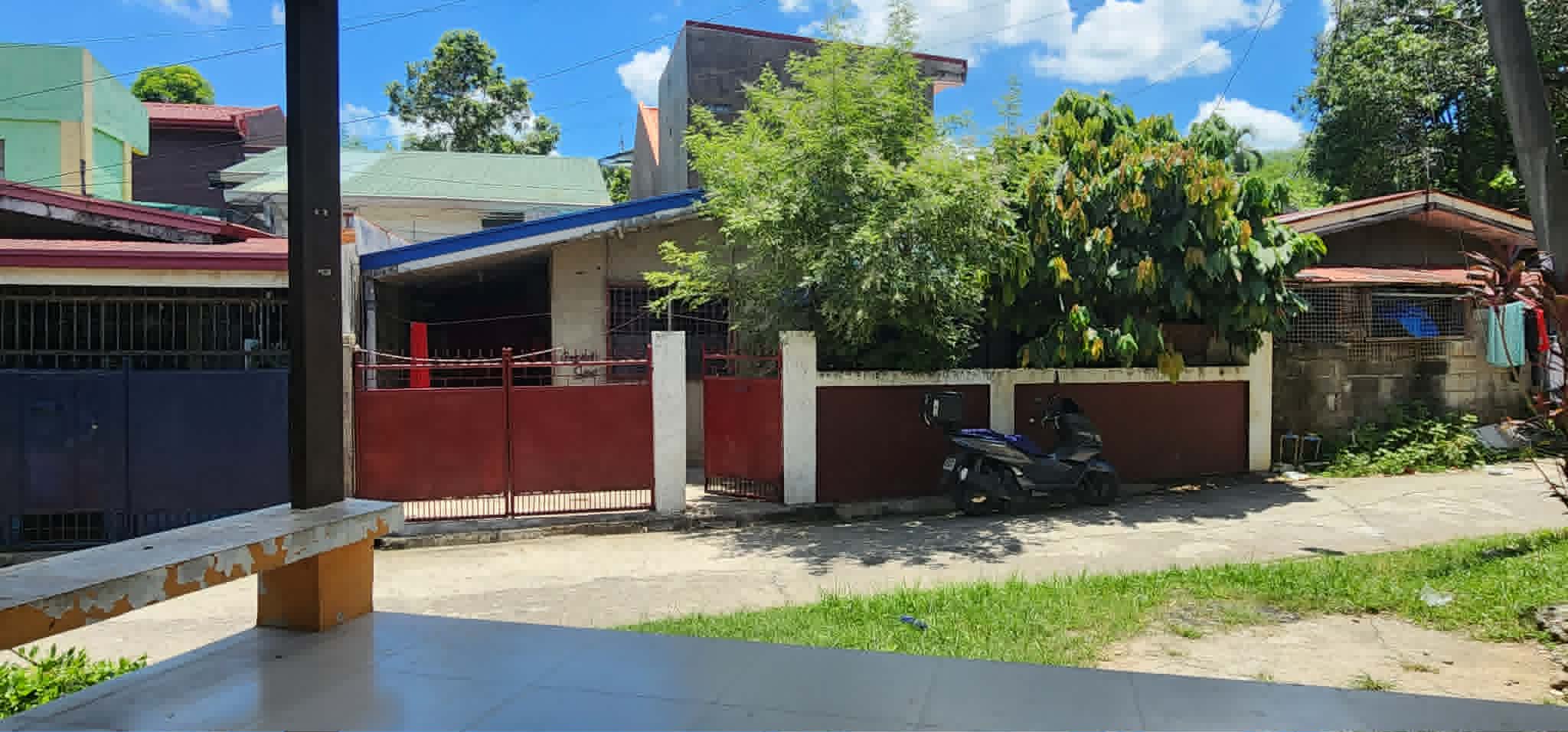
It is now aging. Slightly damaged. Quiet.
But not empty.
Because in that moment, I realized something:
the house is waiting.
The Dream That Returned
For a long time, I had dreams for others—for my community, for the work, for the temple, for healing. But that day, a different dream came back to me.
A dream for myself.
A dream for my family.
A dream to rebuild that ancestral house—not merely to restore its physical form, but to restore its spirit.
I saw a vision: all of us, my siblings, gathered again under one roof. Not exactly as we were in childhood, but as we are now—grown, changed, carrying our own stories—yet still bound by the same roots.
The house, once again, alive with voices, laughter, pagkain, kwentuhan.
A home not just remembered, but lived again.
Pawi and the Call of the Forest
In reflecting on this experience, I cannot separate it from the presence of Pawi, the Agta God of the Forest, whom we now honor as a Temple Guardian and Guide.
The forest is not only a place—it is an intelligence, a living memory, a keeper of cycles.
And Pawi, as its guardian, does not only protect trees—
Pawi protects lineage, belonging, and the natural order of return.
What is a forest if not a community of life rooted together?
What is an ancestral home if not a forest in human form?
- The pillars are like trunks of trees.
- The rooms are like spaces between roots.
- The people are like branches, growing outward but still connected to the same ground.
When I stood before our ancestral house and felt the desire to rebuild it, I now understand that this was not just my personal longing.
It was Pawi calling me back to the center of my own forest.
The House as a Living Forest Kingdom
The house my parents built was more than shelter. It was a forest kingdom in its own right—a place where life grew, where children were nurtured, where bonds were formed.
Over time, like any forest, it weathered seasons:
- Growth
- Separation
- Silence
But forests do not die easily.
They wait.
They regenerate.
They call back those who have wandered.
And perhaps this is what Pawi is awakening now—not only in me, but for my entire family:
the return to the sacred center.
Rebuilding as Sacred Work
To rebuild the ancestral home is not just construction.
It is:
- An act of honoring the ancestors
- A continuation of what my parents began
- A restoration of family as a living circle
It is also spiritual work.
Because in rebuilding, I am not only working with materials—I am working with memory, intention, and spirit.
I am replanting a forest.
And this time, I do so consciously, guided by the presence of Pawi.
A Prayer to Pawi
Pawi, Tagapagbantay ng Kagubatan,
Ikaw na gumagabay sa ugat at sanga ng buhay,
Tulungan mo akong muling itayo
Ang tahanang pinagtibay ng aking mga magulang.
Nawa’y maging muli itong pugad
Ng pagkakaisa, pagmamahalan, at alaala.
Tipunin mo kaming magkakapatid
Sa ilalim ng iisang bubong—
Tulad ng mga puno sa iisang gubat.
At sa bawat haligi na aming itatayo,
Nawa’y maramdaman namin ang iyong presensya—
Tahimik, matatag, at buhay.
Closing Reflection
What happened last Sunday was simple, but its meaning continues to unfold.
A meal.
A visit.
A photograph.
Tears.
And from these, a dream was reborn.
Not a new dream—but one planted long ago, now rising again like a tree finding its way back to the light.
And perhaps this is how Pawi works—not through spectacle, but through quiet awakenings.
Through moments where we remember who we are,
where we come from,
and where we are being called to return.
 Templong Anituhan
Leave a comment