FREQUENTLY ASK QUESTIONS
What is Anituhan?
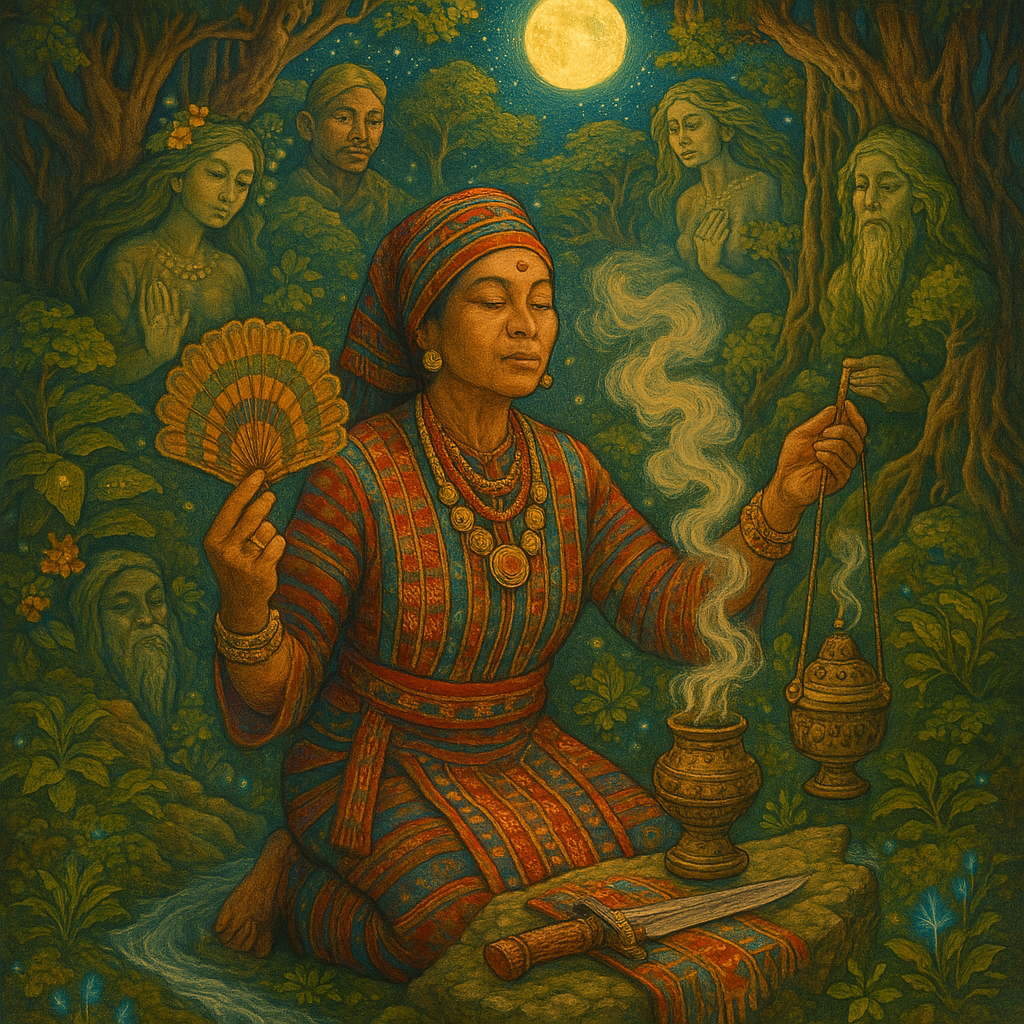
- Anituhan is the belief in Anito or the Spirits of the Ancestors and nature. It dates back to the precolonial times in the Philippines, long before the Spanish Colonization.
- It is rooted in ancient animistic beliefs that spirits inhabited natural elements like trees, rivers, mountain, and even homes.
- Each ethno-linguistic groups in the Philippines have its pantheon of Anitos, which included deities, nature spirits, and ancestral spirits. These spirits were believed to influence fertility, harvest, health and protection.
Who is Gat Pangil?
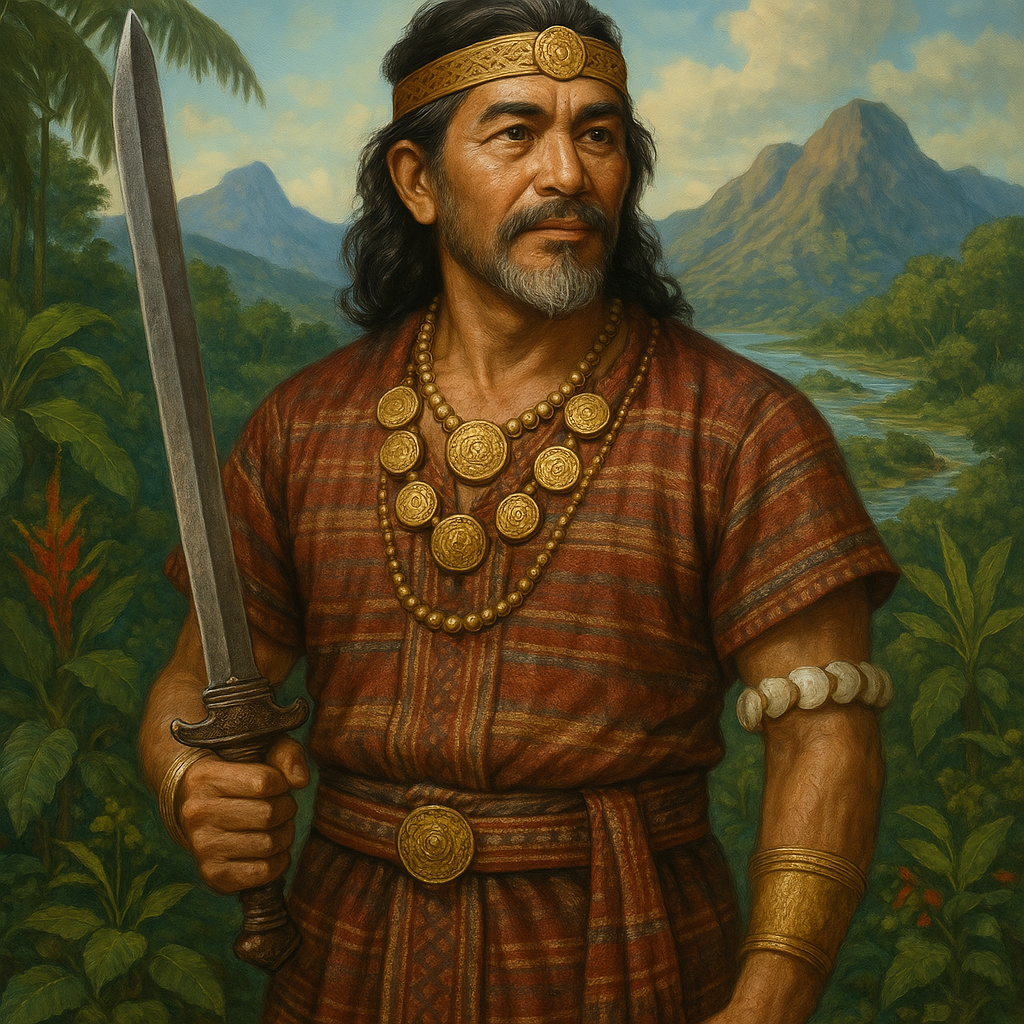
- Gat Pangil is a legendary figure in Philippine Folklore, particularly among the Tagalog people. He is believed to be the chieftain or ruler in the area now known as the Province of Laguna.
- Gat Pangil is said to have ruled over a Tagalog Kingdom that encompassed the severaval present-day town of: Bay, Laguan; Pangil, Laguna; Pakil, Laguna; and Mauban, Quezon.
- He is believed to rule his kingdom during the Iron Age approximately between 500 BCE to 100 CE.
- Being a legendary precolonial Tagalog ruler, he practiced the indigenous animistic religion or Anituhan.
What is the History of Religion in the Philippines?
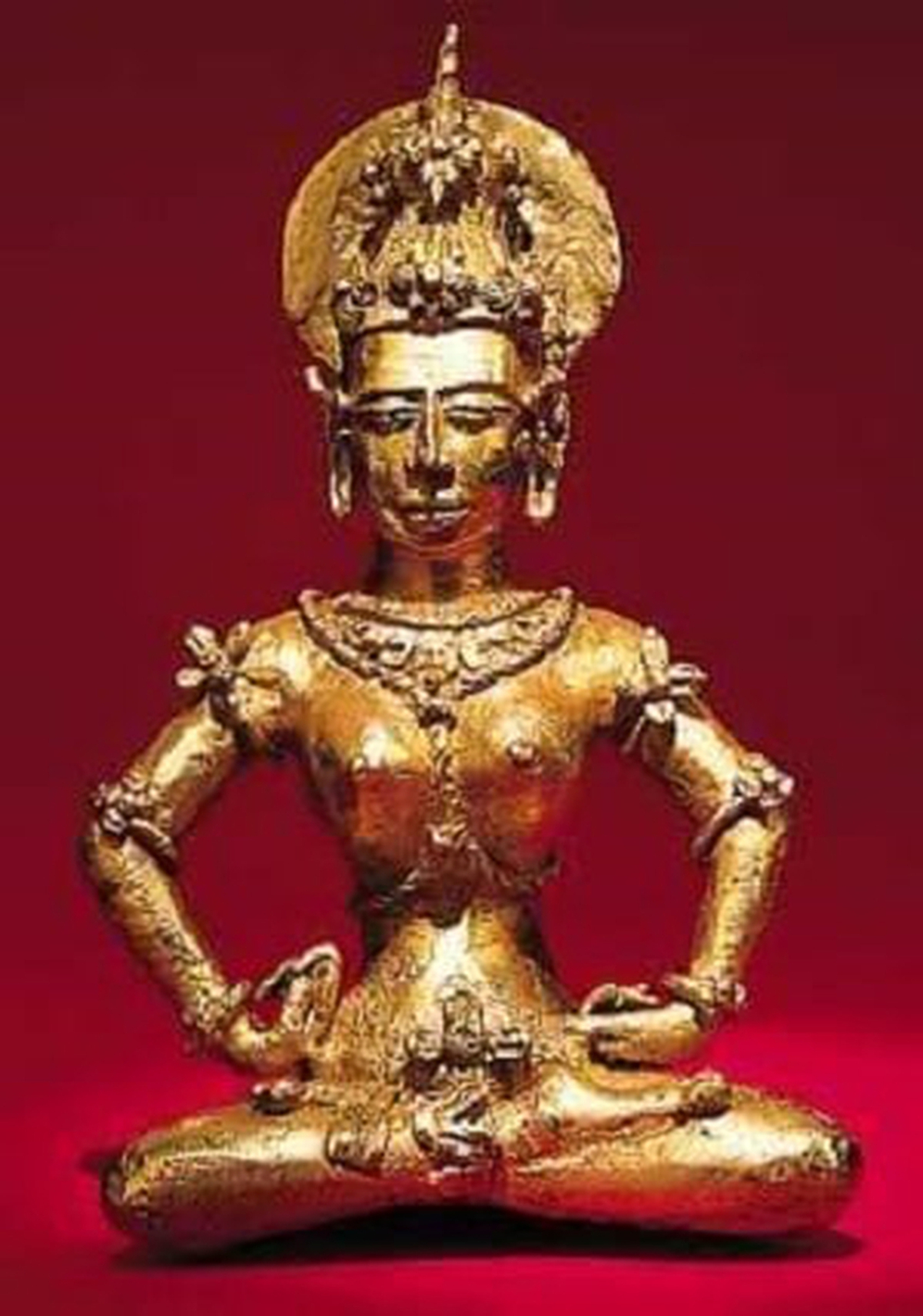
- It was during 601 CE to 1300 CE when Srivijaya Empire which is a powerful maritime empire based in Sumatra, Indonesia who spread Hinduism and Buddhism in the Philippine Archepelago.
- It was the Hindu/Buddhist who brought the belief in the Diwata in the form of Deva/Devi.
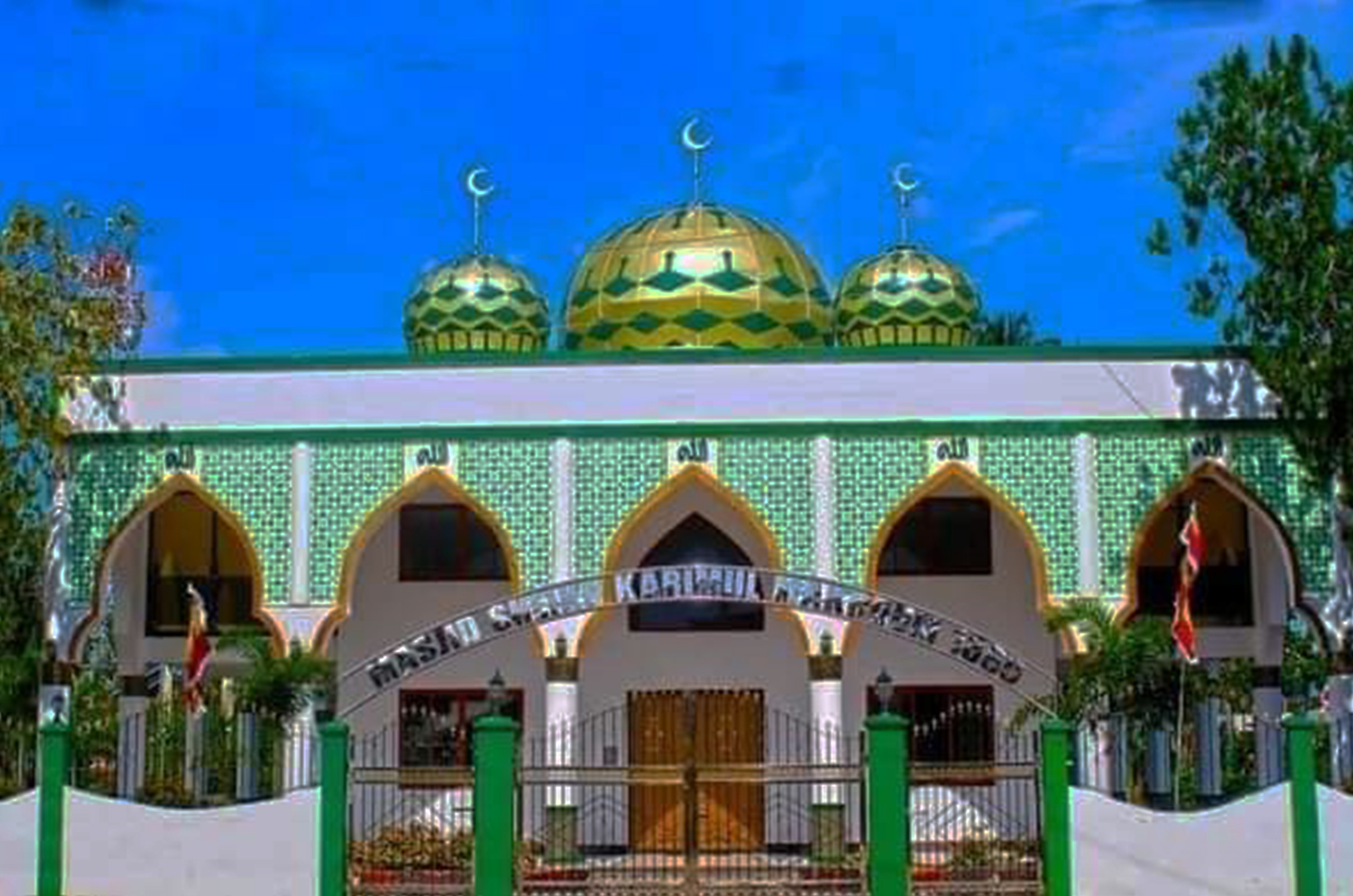
- It was during 1380 CE when Muslim traders and missionaries from Arabia, India and Malaysia began arriving in Southern Philippines, particularly in Sulu and Mindanao.
- In 1950 CE, Sharif Muhammad Kabungsuwan, a Muslim noble from Johor (Malaysia), arrived in Mindanao and established the Sultanate of Maguindanao, further spreading Islam in the region.
- On, March 16,1521, Ferdinand Magellan arrived in the Philippines and begin interacting with local traders,
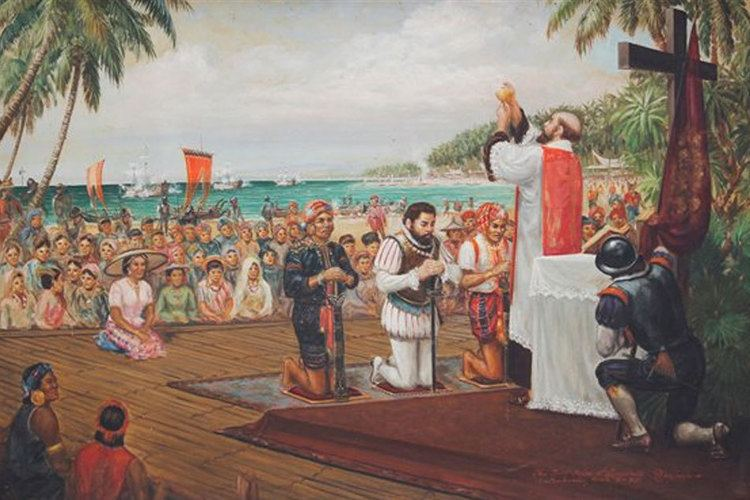
- First Catholic Mass and baptism took place on April 14, 1521 where Rajah Humabon and hundreds of his people converted into Christianity.
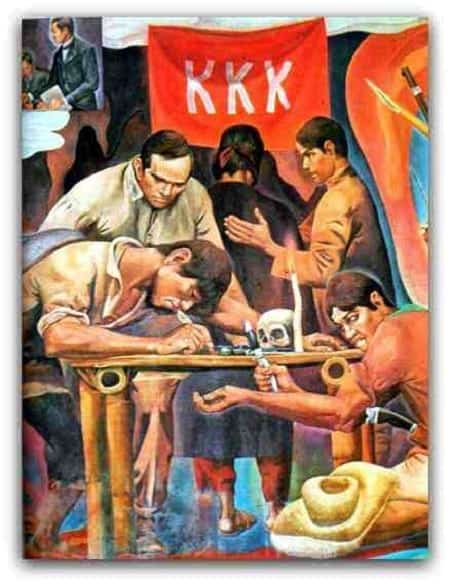
- In 1892, KKK or Kataas-taasan, Kagalang-galangang Katipunan ng mga Anak ng Bayan was founded on July 7, 1892 with the goal of achieving independence from Spain.
- In their search for a National Identity some revolutionaries proposed reviving Indigenous Philippine Folk Religions and making them the national religion of the Philippines.
- And this proposal in reviving Philippine Indigenous Folk Religion is attributed to Andres Bonifacio.
- Andres Bonificio and his circle envisioned a return to Pre-Hispanic Filipino Values and spirituality as part of their broader nationalist ideology.
- They saw the precolonial era as a time of kasaganaan (abundance) and kaginhawaan (prosperity), which they believed had been lost due to Spanish colonial rule.
- The Katipunan’s vision of kalayaan (freedom) included not just political independence but also cultural and spiritual liberation, which inspired efforts to reconnect with native beliefs and practices.
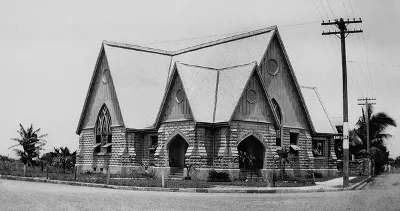
- Then on 1898, after the Spanish American war, Philippines was ceded to the United States. This marked the end of Spanish Catholic dominance and opened the door for religious freedom.
- On March 5, 1899, The Central Methodist Episcopal Church was established now known as the Central United Methodist Church and is located at Ermita, Manila,
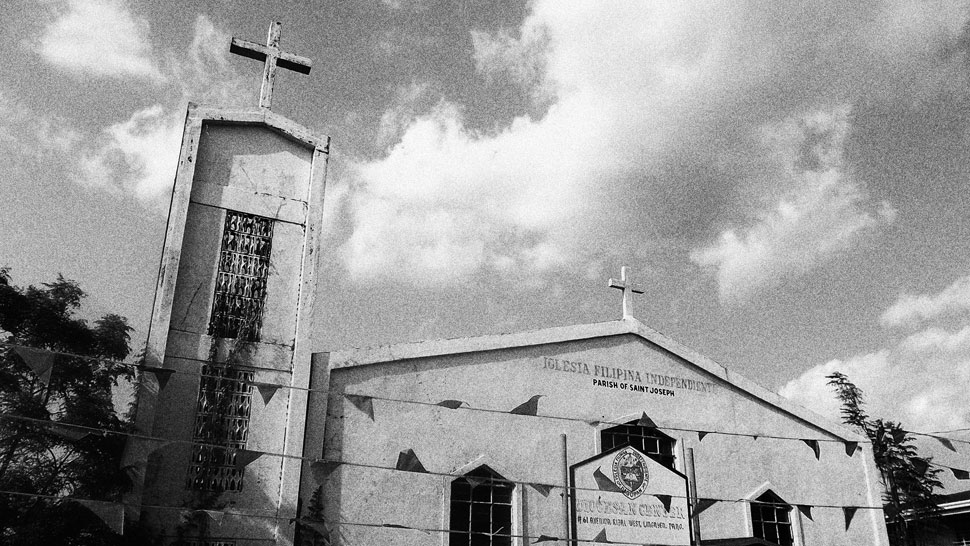
- Then, on August 3, 1902, a revolutionary church was established by Gregorio Aglipay Cruz y Labayan who is a former Roman Catholic Priest and a revolution leader and call his church as Iglesia Filipina Independiente and was known as its supreme bishop.
- The church was created as a nationalist response to Spanish Catholic control. It aimed to establish a Filipino-led church independent of Rome.
- On February 19, 1905, Union Espiritista Cristiana de Filipinas, Inc. was officially founded. It began when a group of spiritist from Pangasinan joined another group in Manila to form a unified religious association for spiritist across the Philippines.
- While the Union Espiritista was formally organized after the Philippine Revolution (which began in 1896), spiritist beliefs and practices were already present in the Philippines during the revolutionary period.
- Their beliefs drew from precolonial animism, folk Christianity, and spiritual mediumship.
- Were seen as a form of spiritual resistance against colonial religious structures.
- Emphasized direct communication with spirits, healing, and moral guidance, which resonated with many Filipinos seeking liberation—both politically and spiritually.
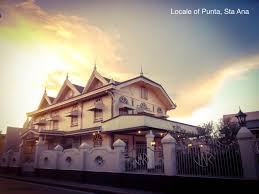
- Then on July 27, 1914, Felix Ysagun Manolo have established Iglesia ni Cristo at Punta, Santa Ana Manila for the purpose of restoring the Original Church established by Jesus Christ (a colonial deity) which they believe had become apostate over time.
- The Iglesia ni Cristo (INC) has had a significant influence on Philippine politics and government, primarily through its practice of bloc voting and strategic endorsements during elections.
- INC members are known to vote as a unified bloc, following the guidance of church leadership. This practice gives the INC considerable sway, especially in tight electoral races.
- Politicians often seek INC endorsements because even a few percentage points of guaranteed votes can be decisive in national and local elections.
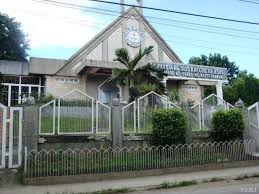
- In 1928, Nicolas Antiporda Perez of Pulilan, Bulacan have established Iglesia ng Dios kay Cristo Jesus, Haligi at Suhay ng Katotohanan and was officially registered with the Philippine Government on December 10, 1936.
- This church emerged from earlier movements and was part of a broader wave of Filipino Christian denominations that sought to establish independent religious identities during the American colonial period.
- Then in 1932, a merger of several Protestant Groups formed Iglesia Evangelica Unida de Cristo which includes Methodist and Presybyterians and created the Philippine Federation of Christian Churches now known as the National Council of Churches in the Philippines.
- In 1948, United Church of Christ in the Philippines was formed through the union of several protestant denominations including Presbyterians, Methodist and Congregationalist which is known for their strong advocacy is social justice and ecumenical work.
- The Philippine Benevolent Missionaries Association (PBMA) was founded by Ruben Edera Ecleo Sr. in 1965 on the island of Dinagat, off the coast of Mindanao It was officially registered with the Philippine Securities and Exchange Commission (SEC) on October 19, 1965, under Registration No. 28042
- PBMA is a non-sectarian and non-profit charitable religious fraternal organization open to both men and women. Its stated purposes include: Promoting spiritual enlightenment and faith healing. Encouraging benevolence and brotherhood among its members. Practicing esoteric teachings, including the use of mantras, Akashic records, and ancient languages for spiritual insight. Viewing its founder, Ecleo Sr., as a Christ-like figure with healing powers and spiritual omnipresence.
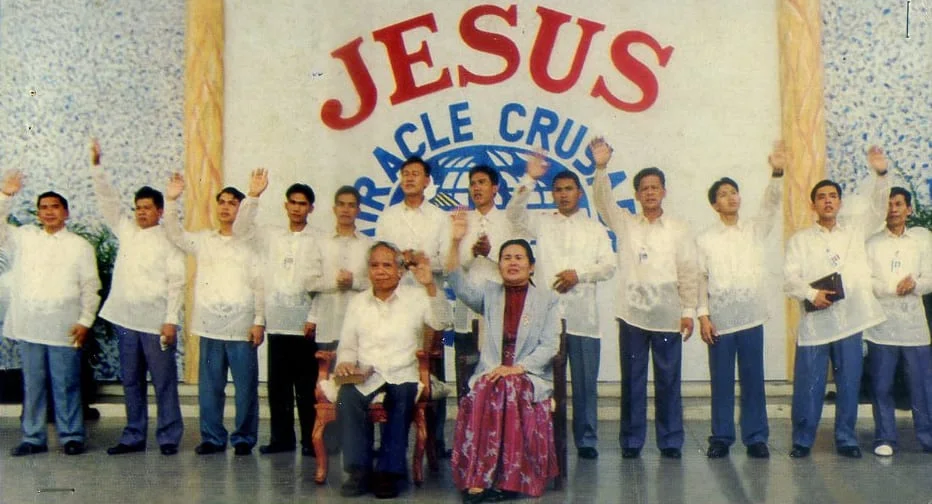
- On February 14, 1975, Jesus Miracle Crusade was founded by the Evangelist Wilde Estrada Almeda and her wife Assistant Pastor Lina Comon Almeda in Urduja Village, Novaliches, Quezon City.
- JMCIM (Jesus Miracle Crusade International Ministry) was established decades later, during the post-independence era, and is primarily known for its Oneness Pentecostal teachings, faith healing, and evangelistic crusades, not for political or revolutionary activities.
- The Pentecostal Missionary Church of Christ (4th Watch), also known as PMCC (4th Watch), was founded in 1972 by Apostle Arsenio Tan Ferriol, a native of Odiongan, Romblon
- The church was officially registered with the Philippine Securities and Exchange Commission on August 30, 1973
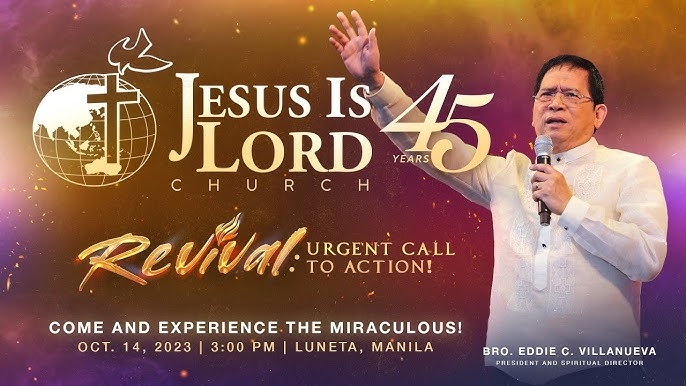
- On October 5, 1978, Eduardo Cruz Villanueva who is a former activist and political figure in the Philippines have established Jesus Is Lord Church Worldwide and became a prominent evangelist.
- The JIL movement was born out of a Bible study group of 15 students and grew into a global evangelical ministry. Its core purpose is: To proclaim the Lordship of Jesus Christ worldwide. To evangelize and disciple people through Bible-based teachings. To promote moral and spiritual transformation in individuals and society. To engage in social outreach, education, and media ministries.
- Today, JIL is one of the largest evangelical churches in the Philippines, with over one million members in more than 60 countries
- On April 25, 1980, Eliseo Fernando Soriano, who had been a protegee and appointed minister of Nicolas Peres have established the religious organization named as Mga Kaanib ng Iglesia ng Dios kay Kristo Hesus, Haligi at Saligan ng Katotohanan sa Pilipinas.
- He separated from Nicolas Perez Church upon the later death because of Leadership Dispute.
- As the Group expanded, Brother Eli renamed it as Members Church of God International which was registered at Philippine Securities and Exchange Commission on January 13, 2004.
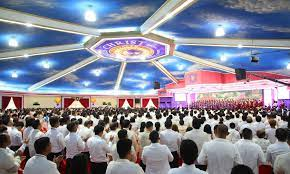
- Then, on September 1, 1985, a former member of the United Pentecostal Church of the Philippines established The Kingdom of Jesus Christ, The name above every name and become the Appointed Son of God which is Apollo Carreon Quiboloy.
- The Kingdom of Jesus Christ (KOJC), has made several contributions to nation-building in the Philippines, particularly through its social, educational, and media initiatives—though these are often viewed through mixed perspectives due to controversies surrounding its founder.
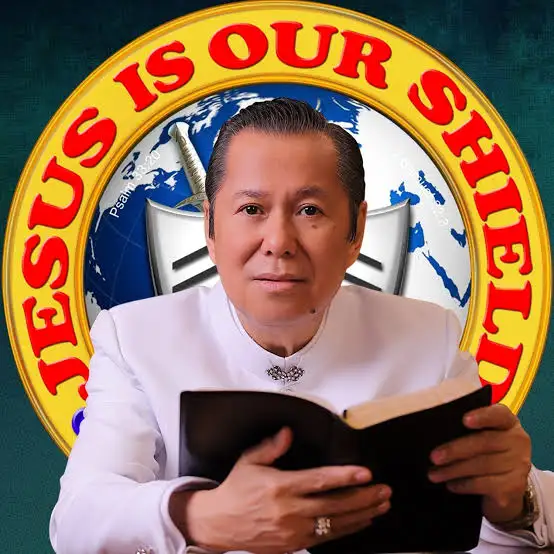
- The Jesus Is Our Shield Worldwide Ministries (JIOSWM) was officially registered with the Philippine government on August 30, 1986. This marked the formal beginning of the ministry led by Apostle Renato D. Carillo, which has since grown into a global movement with hundreds of chapters.
- The church emphasizes “Living Like Jesus”, promoting holiness, healing, and spiritual transformation.
- It is known for its mass evangelistic crusades, especially the “Oras ng Himala” (Hour of Miracle) program.
- JIOSWM also engages in outreach to schools, prisons, and communities, aiming to bring moral and spiritual renewal.
- And on December 13, 2000 Apu Adman have established Luntiang Aghama Natural Divine Arts Shrine of Healing Inc. that was formally registered in the Philippine Government on September 4, 2012 as a religious corporation sole and on November 6, 2024 it was renamed into Templong Anituhan Inc.
- The primary purpose of Templong Anituhan is to revive the Philippine Indigenous Spiritual Beliefs and practice, specially Anituhan which honors the old precolonial Filipino Gods such as the Diwata, Engkanto and Anito.
- To provide Religious Education program among the believers that will lead them into ordination to the Faith.
- To establish Ministerial Center that will become an information hub in Relearning the old beliefs and practices at the same time to provide spiritual services to the General Public that seeks our Guidance and Help.
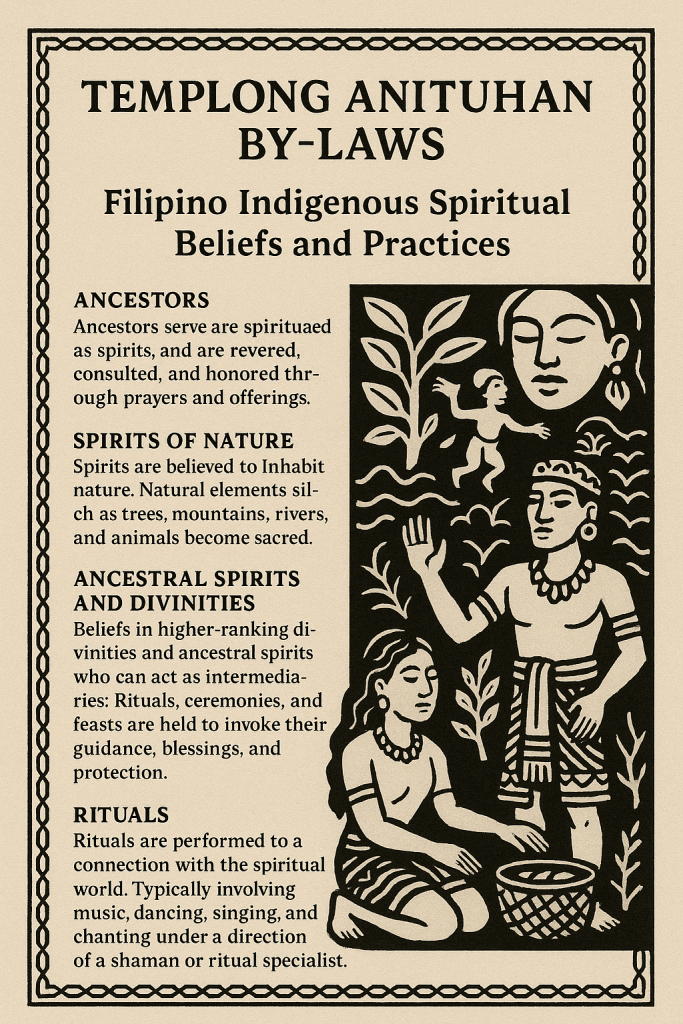
 Templong Anituhan