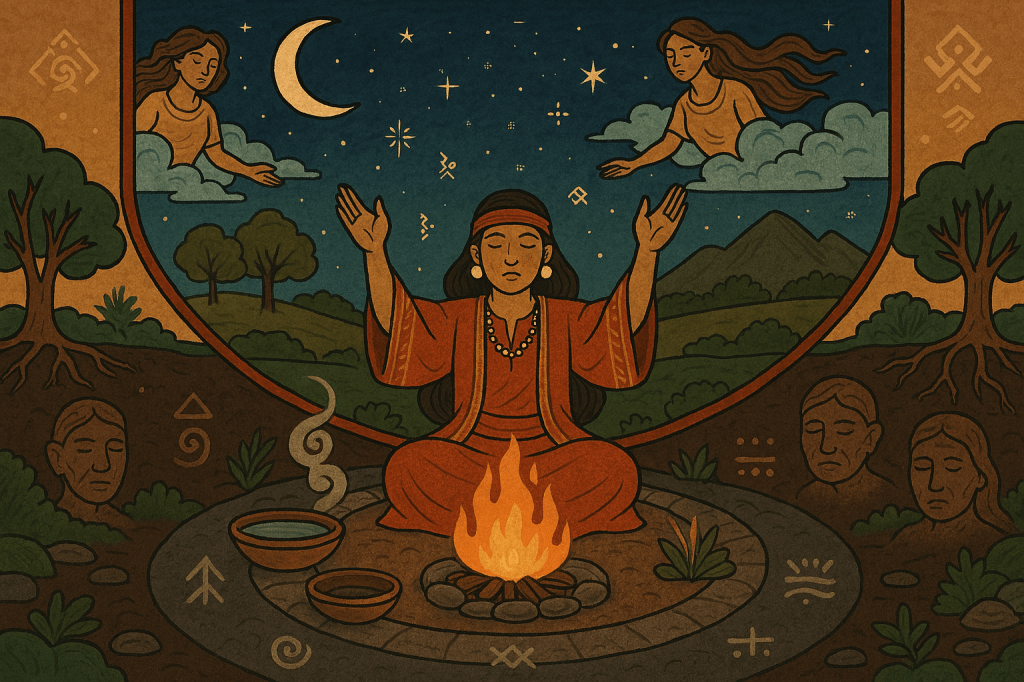
In the heart of the Philippine archipelago lies a rich spiritual tradition that predates colonial influence—a tradition rooted in the land, the ancestors, and the cosmos. Indigenous Filipino spirituality is not confined to temples or texts; it is a living, breathing relationship with nature, spirit, and community. At its core are foundational beliefs that shape how rituals are performed and how the universe is understood.
Foundations of Indigenous Filipino Spirituality
1. The Spirit World is Alive
Filipino ancestral belief recognizes a universe filled with spiritual beings:
- Diwata – nature spirits or deities who dwell in mountains, rivers, and celestial bodies.
- Anito – ancestral spirits who continue to guide and protect the living.
- Engkanto – elemental beings who inhabit forests, waters, and winds.
- Umli or Bathala – the Supreme Source or Creator, often unnamed but deeply revered.
These beings are not distant—they are present, active, and responsive to human intention and ritual.
2. Nature is Sacred
Animism is central to Indigenous Filipino spirituality. Trees, stones, animals, and landscapes are seen as conscious and sacred. The land is not owned—it is honored. Rituals often involve offerings to nature spirits, asking permission before entering sacred spaces, and maintaining harmony with the environment.
3. Ancestor Veneration
The Anito are not forgotten—they are remembered, invoked, and consulted. Ancestors are seen as part of the spiritual ecosystem, offering wisdom, healing, and protection. Naming ceremonies, dreams, and ritual prayers often involve direct communication with ancestral spirits.
4. Elemental Balance
The four elements—Apoy (Fire), Tubig (Water), Hangin (Air), and Lupa (Earth)—are not just physical substances but spiritual forces. Healing and ritual work aim to restore balance among these elements within the body, the community, and the cosmos.
5. Oral Tradition and Symbolism
Spiritual knowledge is passed through oral epics, chants, dances, and symbols like Baybayin. These traditions encode cosmological truths and cultural memory, keeping the spiritual worldview alive across generations.
6. Communal and Relational Spirituality
Spirituality is not individualistic—it is communal. Rituals are performed with others, decisions are made with elders, and healing is done in relationship with the land, the spirits, and the people.
How Rituals Reflect Indigenous Filipino Cosmology
Rituals are the embodiment of cosmology. They are not just symbolic—they are functional acts of spiritual alignment. Here’s how rituals reflect the Indigenous Filipino understanding of the universe:
1. Mapping the Realms
Filipino cosmology includes:
- Kaitaasan – the Upper World of Diwata and celestial beings.
- Kaibabawan – the Middle World of humans and nature.
- Kailaliman – the Underworld of Anito and spirits of the dead.
Rituals often involve movements and offerings that connect these realms. Smoke rises to Kaitaasan, libations are poured to Kailaliman, and the body grounds itself in Kaibabawan. The Binabaylan acts as a bridge between these worlds.
2. Elemental Invocation
Rituals invoke the four elements to restore harmony:
- Fire through candles or burning herbs for purification.
- Water through bathing, sprinkling, or libations for healing.
- Air through breath, incense, and chants to carry prayers.
- Earth through stones, soil, and plants to anchor energy.
Each ritual is a dance of these forces, reflecting the cosmological need for balance.
3. Cosmic Timing
Rituals follow lunar phases, seasonal changes, and agricultural cycles:
- New Moon: for planting intentions and naming ceremonies.
- Full Moon: for healing and empowerment.
- Solstices and Equinoxes: for transitions and ancestral remembrance.
This timing reflects the belief that spiritual work must flow with nature’s rhythms.
4. Sacred Directions and Movement
Rituals often involve movement in cardinal directions:
- East (Silangan) – beginnings and illumination.
- West (Kanluran) – endings and reflection.
- North (Hilaga) – wisdom and ancestral guidance.
- South (Timog) – vitality and growth.
These directions are not arbitrary—they are cosmological coordinates that guide energy and intention.
5. Invocation of Spiritual Hierarchies
Rituals begin with calling upon:
- Umli or Bathala – the Supreme Spirit.
- Diwata – for elemental and cosmic blessings.
- Anito – for ancestral guidance and protection.
This reflects the layered spiritual hierarchy and the Binabaylan’s role as mediator.
6. Ritual Tools as Cosmological Symbols
Sacred objects used in rituals embody cosmological truths:
- Bato Omo – stone of wisdom and memory, linking to Kailaliman.
- Baybayin scripts – sacred writing connecting to Kaitaasan.
- Herbs and oils – carriers of elemental and healing energies.
These tools are not passive—they are active vessels of spirit.
Conclusion: Ritual as Cosmological Dialogue
In Indigenous Filipino spirituality, rituals are more than tradition—they are acts of cosmological alignment. They affirm our place in the universe, restore harmony between realms, and awaken the sacred within and around us. Through ritual, we do not just remember our cosmology—we live it.
 Templong Anituhan
Leave a comment