Templong Anituhan and the Revolutionary Revival of Philippine Indigenous Religion
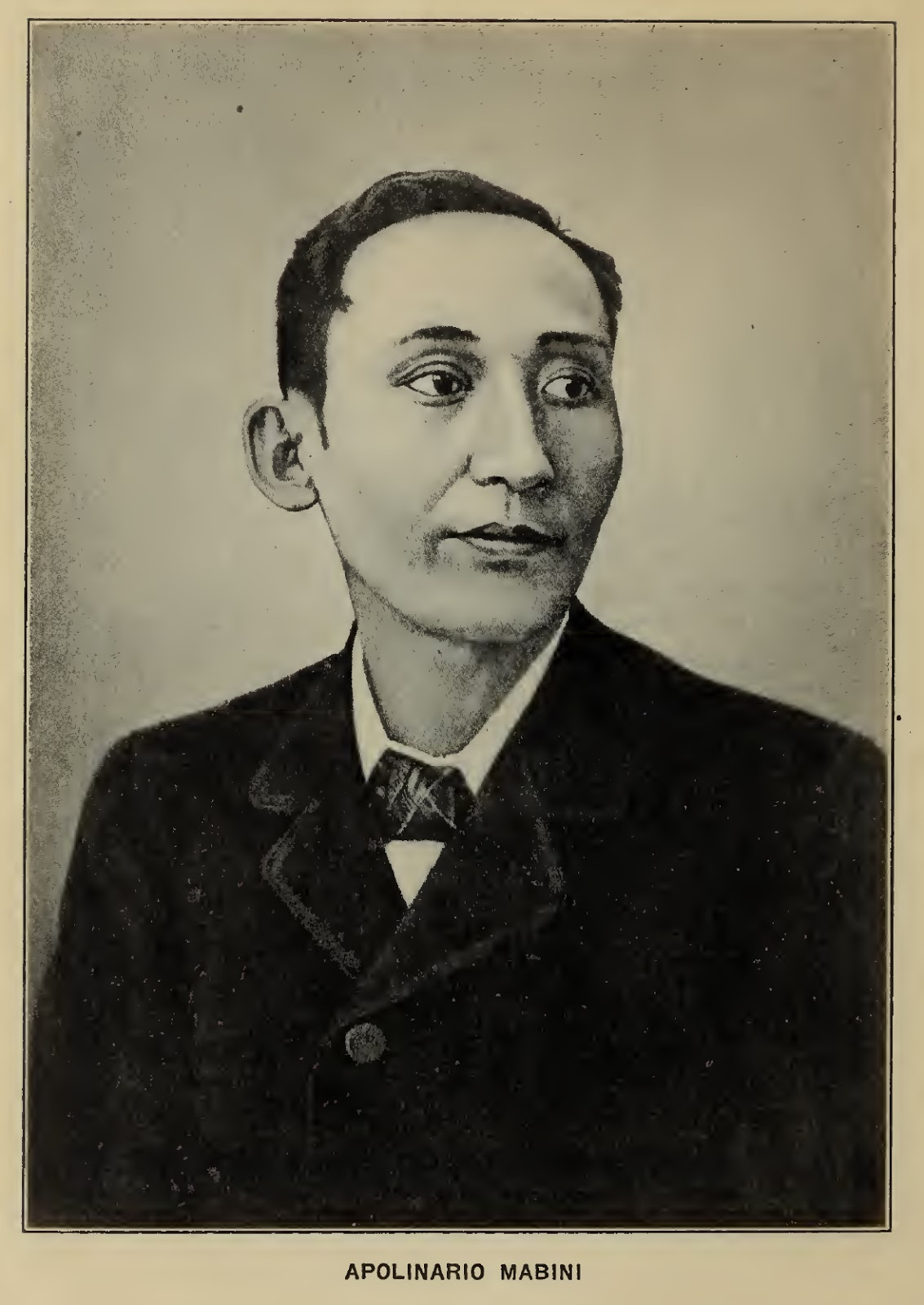
The establishment of Templong Anituhan is more than a cultural initiative—it is a spiritual and revolutionary act. It reflects a growing movement to revive Philippine Indigenous Religion (PIR), reconnecting Filipinos with their ancestral beliefs and reclaiming a heritage long suppressed by colonial powers. This revival echoes the ideals of the Philippine Revolution, where leaders like Andres Bonifacio, Emilio Jacinto, and Apolinario Mabini envisioned a free and spiritually sovereign Filipino nation.
Pre-Colonial Spirituality and Indigenous Beliefs
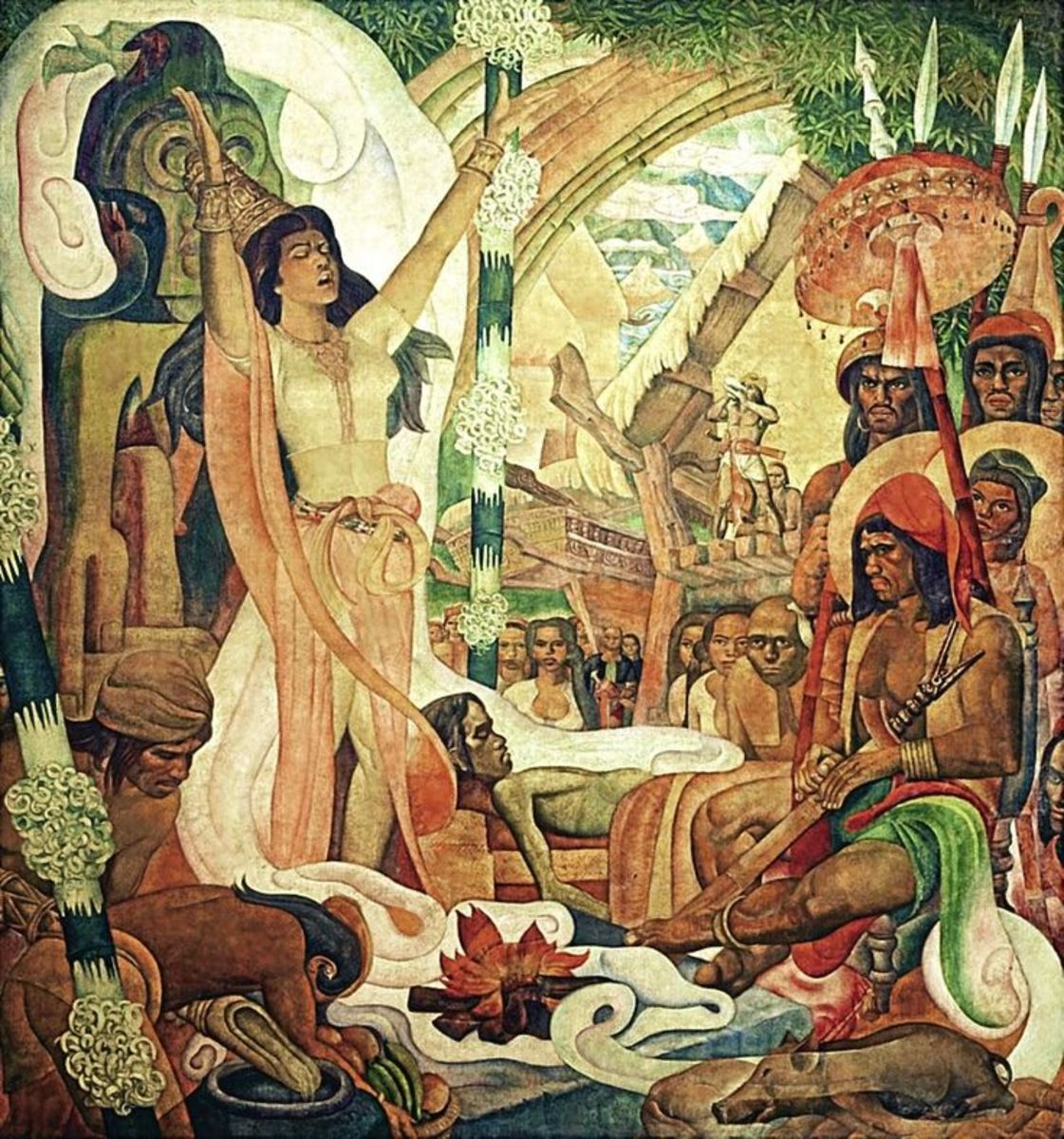
Before Spanish colonization, Filipinos practiced Anitism, a belief system centered on nature spirits (Anitos) and ancestral reverence. Communities were guided by babaylans, spiritual leaders who performed healing, divination, and rituals to maintain harmony with the cosmos.
This indigenous spirituality was deeply rooted in communal values, ecological balance, and ancestral wisdom—elements that colonial powers sought to erase.
Colonial Suppression and Religious Transformation
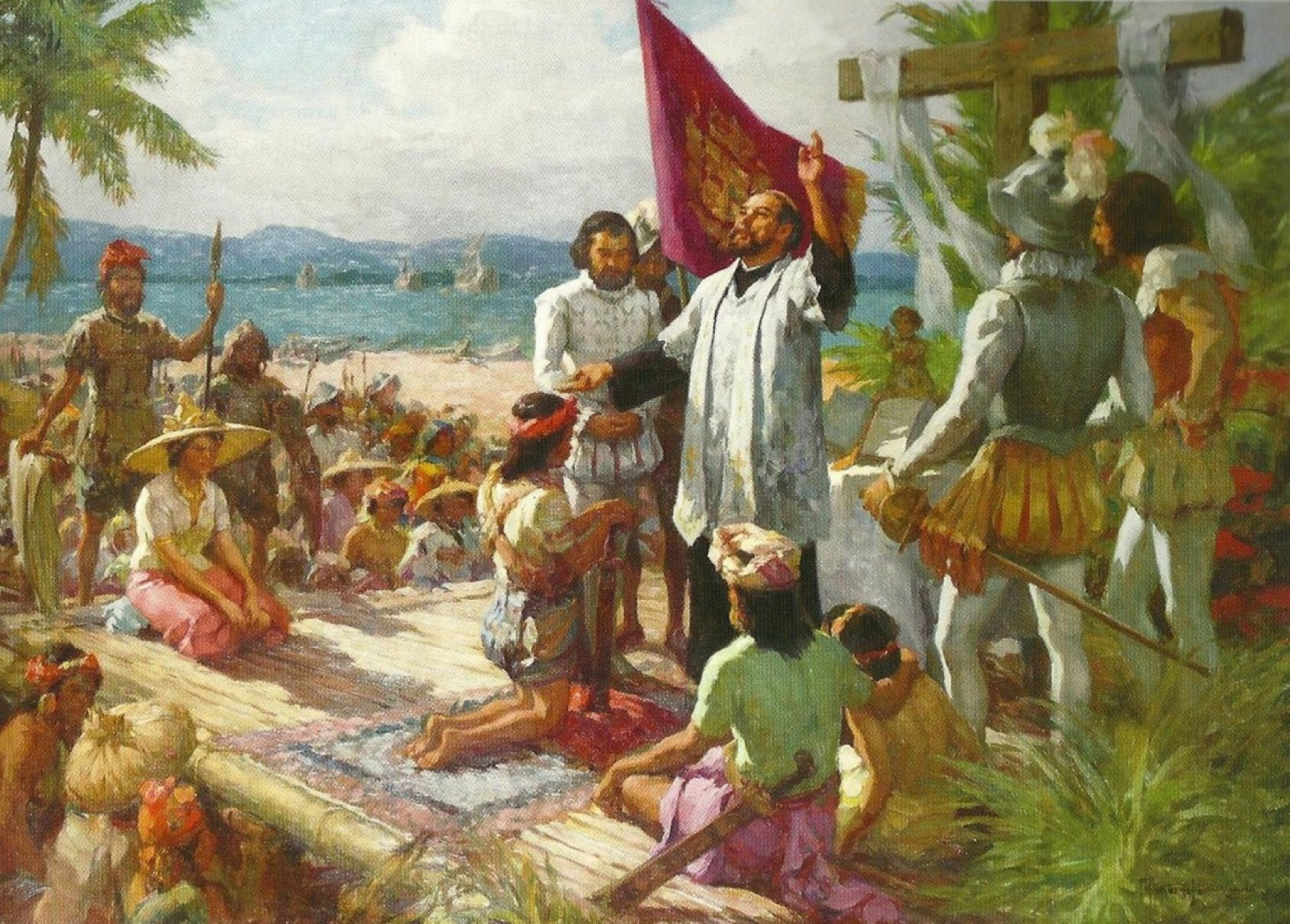
Spanish colonization brought the imposition of Catholicism, which labeled native beliefs as heretical. Sacred sites were destroyed, and babaylans were persecuted. Yet, indigenous spirituality persisted in syncretic forms, blending with folk Catholicism and surviving in rural traditions.
Revolutionary Movements and Spiritual Resistance
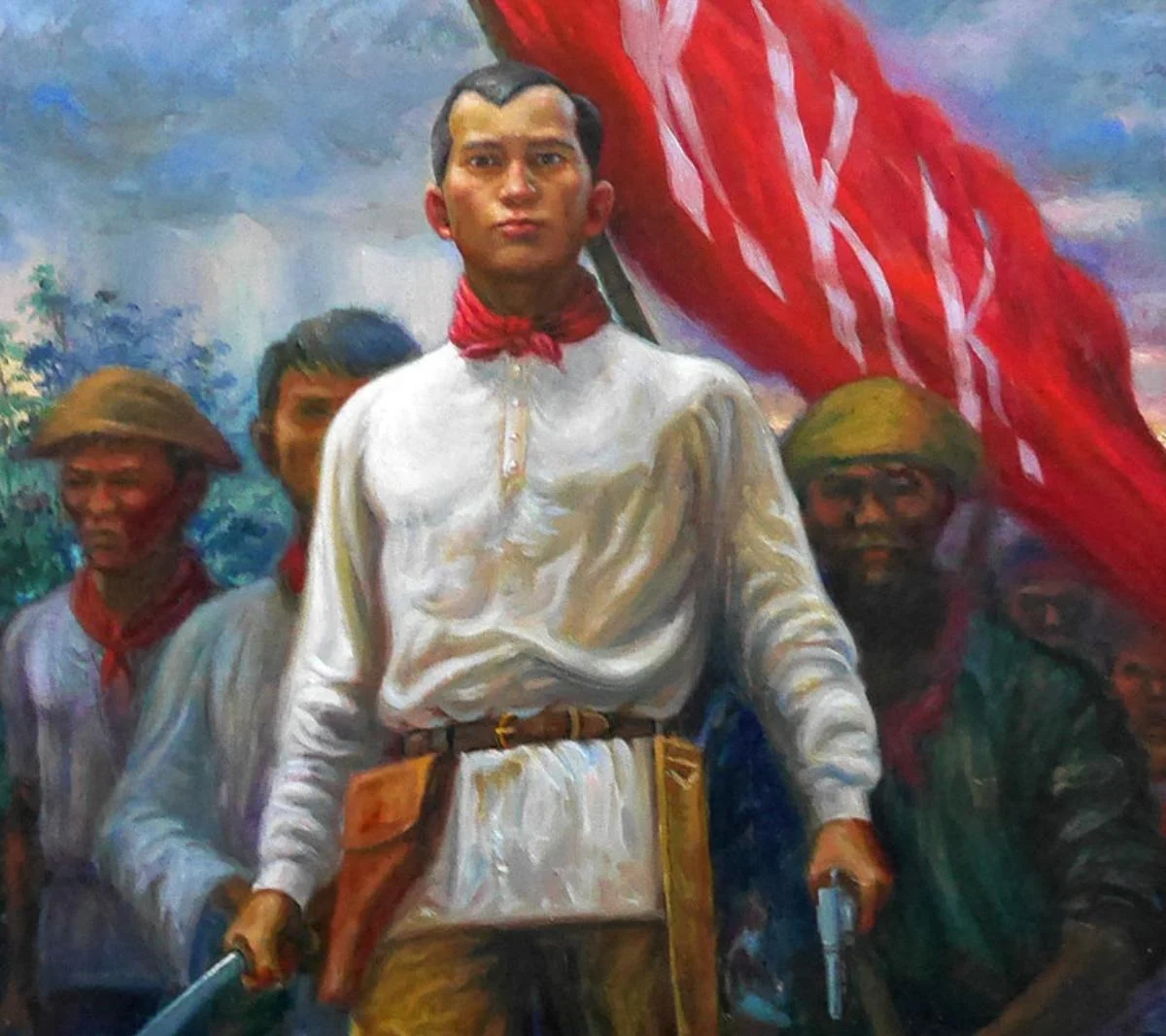
The Katipunan, founded by Andres Bonifacio, was not only a political movement but also a spiritual rebellion. Bonifacio invoked Bathala, the supreme deity in Tagalog mythology, and emphasized love for country as a sacred duty:
“Ibigin mo ang iyóng bayan nang sunód kay Bathalà, sa iyóng kapurihan, at higít sa lahat sa iyong sarili.” (“Love your country after God, for your honor, and above all, for yourself.”)
Bonifacio’s writings, especially Pag-ibig sa Tinubuang Lupa, reflect a deep spiritual nationalism:
“Aling pag-ibig pa ang hihigit kaya sa pagkadalisay at pagkadakila gaya ng pag-ibig sa tinubuang lupa?” (“What love is more pure and noble than love for one’s native land?”)
Emilio Jacinto, the Katipunan’s moral philosopher, emphasized ethical conduct rooted in indigenous values:
“Ang tunay na kabanalan ay ang pagkakawang-gawa, ang pag-ibig sa kapwa at ang isukat ang bawat kilos, gawa’t pangungusap sa talagang katuwiran.” (“True holiness is charity, love for others, and measuring every action, deed, and word by true reason.”)
Apolinario Mabini, known as the “Brains of the Revolution,” envisioned a government and society that served the Filipino people—not foreign interests:
“…it belongs to no party, nor does it desire to form one; it stands for nothing save the interest of the fatherland.”
These quotes reflect a revolutionary ethos that sought not only political independence but also spiritual and cultural liberation.
Templong Anituhan: A Modern Spiritual Reawakening
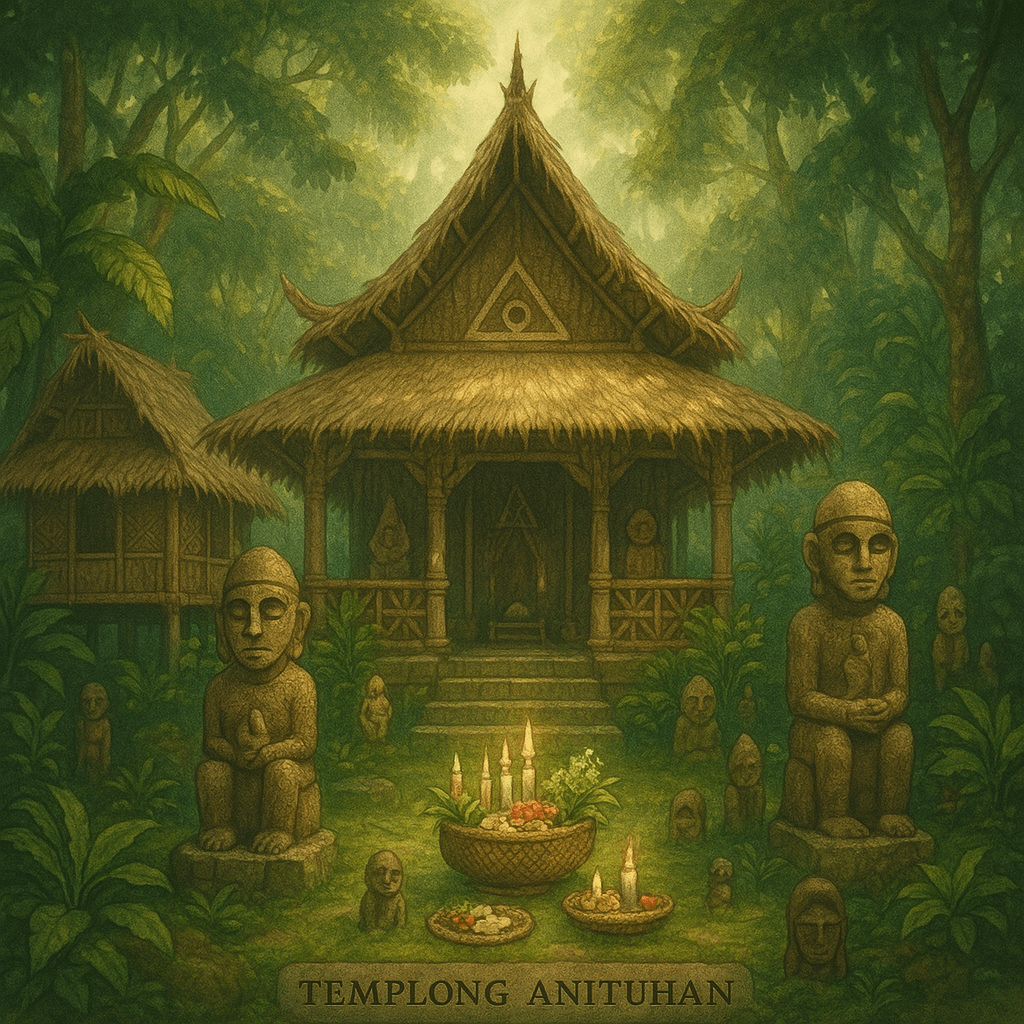
In this historical context, Templong Anituhan emerges as a sanctuary for the revival of Anitism. It honors the spirits of nature and ancestors, conducts rituals led by modern-day babaylans, and educates Filipinos about their indigenous cosmology.
Its establishment is a continuation of the revolutionary spirit—a reclaiming of spiritual identity and cultural pride. It aligns with the broader movement of cultural decolonization, where Filipinos seek to rediscover and celebrate their indigenous roots.
Challenges and the Path Forward
Reviving PIR faces challenges: institutional resistance, lack of documentation, and colonial stigma. Yet, Templong Anituhan and similar initiatives are fostering dialogue, research, and community empowerment.
This revival is not about rejecting modernity but about reintegrating ancestral wisdom into contemporary Filipino life. It offers a path toward healing, identity formation, and spiritual empowerment—echoing the revolutionary call for freedom in all its forms.
 Templong Anituhan
Leave a comment